Among Peaks, Hands That Keep Traditions Alive
Carved From Forest and Sky
Valley Woodcarvers at Dawn
In Val Gardena, soft tapping begins before cafes stir, as knives coax saints, masks, and playful marmots from stone pine that once faced blue winters. The carver speaks of his grandmother’s patterns, the knots that teach patience, and the way resin warms the room. Visitors often linger speechless, then ask about finishing oils and fair pricing, discovering that the real secret is not the blade, but listening between each stroke.
Stone, Slate, and the Rhythm of the Chisel
In Aosta courtyards, slate dust settles like quiet snow while chisels mark measured time. A mason traces rooflines remembered from childhood, cuts each shingle to lap the wind, and smiles at tourists photographing neat stacks. He explains why frost insists on respectful angles, how mountain roofs breathe, and why his hammer wears a leather collar stitched by a friend. Heritage, here, is geometry learned from storms and saved in human muscle.
Wool Spun by Weather
A Tyrolean spinner draws thread as if pulling a path through clouds, the wheel whirring beside a kettle. The flock’s names tumble into conversation, along with grasses they favor and the day hail surprised the valley. Yarn gains character from these memories, later woven into blankets that smell faintly of alpine meadows. She posts open studio hours, invites questions about breed softness, and urges guests to touch, then truly feel, the seasons.
Echoes You Can Hold
Threads That Map the Mountains
Weaving With Wind in the Rafters
Felted Warmth for Winters to Come
Lace Circles and Whispered Patterns
Materials With a Memory
Choosing Larch, Spruce, and Stone Pine With Care
A carver tracks moon phases and drying times, because sap and stress matter. Planks rest on stickers, ends waxed, notes scrawled in pencil: storm year, slope, elevation. Offcuts nurse spoon blanks and toy animals, leaving almost nothing wasted. When knots appear, designs flex; what the tree offers guides the hand. Visitors hear about certification, small mills, and why slow seasoning beats rush kilns. The result is stability you can feel long after purchase.
Guardianship of Heritage Sheep and Goats
Spinners champion local breeds whose coats evolved for sleet and thin air, celebrating crimp, resilience, and honest texture. Flocks graze rotationally, knitting meadows tighter each season. Shearers arrive with calm voices, sharp blades, and thermoses. Labels name breeds and farmers, not just colors. Buyers learn how staple length shapes yarn purpose, why lanolin belongs in winter wear, and how fair pricing keeps hooves on hillsides. Every scarf becomes a small contract with biodiversity.
Color From Plants Without Taking the Mountain’s Soul
Dyemakers harvest wisely: walnut hulls saved from kitchens, garden-grown indigo, flowers traded for woven goods, lichens left alone to heal stone. Pots simmer low, never boiling rage out of color. Recipes are notebooks smudged with fingerprints and gratitude. Students discover that mordants can be gentle, rainwater can shift hues, and patience outperforms shortcuts. Swatches read like weather journals. When you wear these colors, you wear restraint, listening, and a promise to keep places bright.
Learning By Hand, Heart, and Altitude
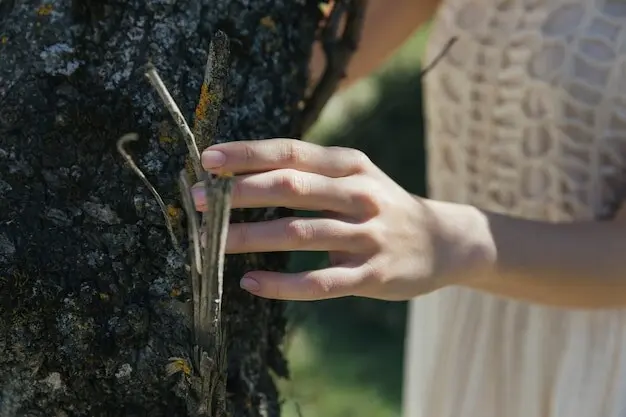
An Apprentice Counts Years in Shavings
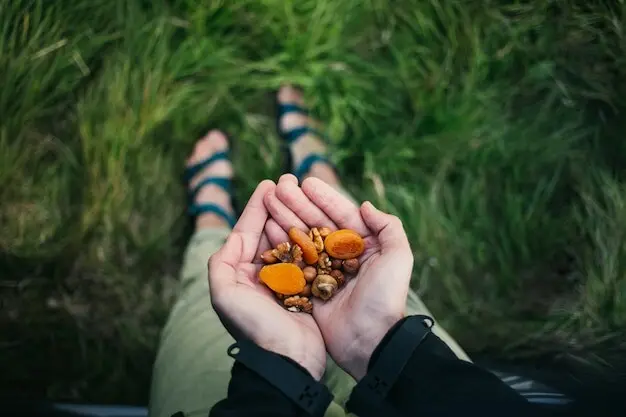
Open Benches for Curious Travelers
Travel Kindly, Buy Wisely
All Rights Reserved.